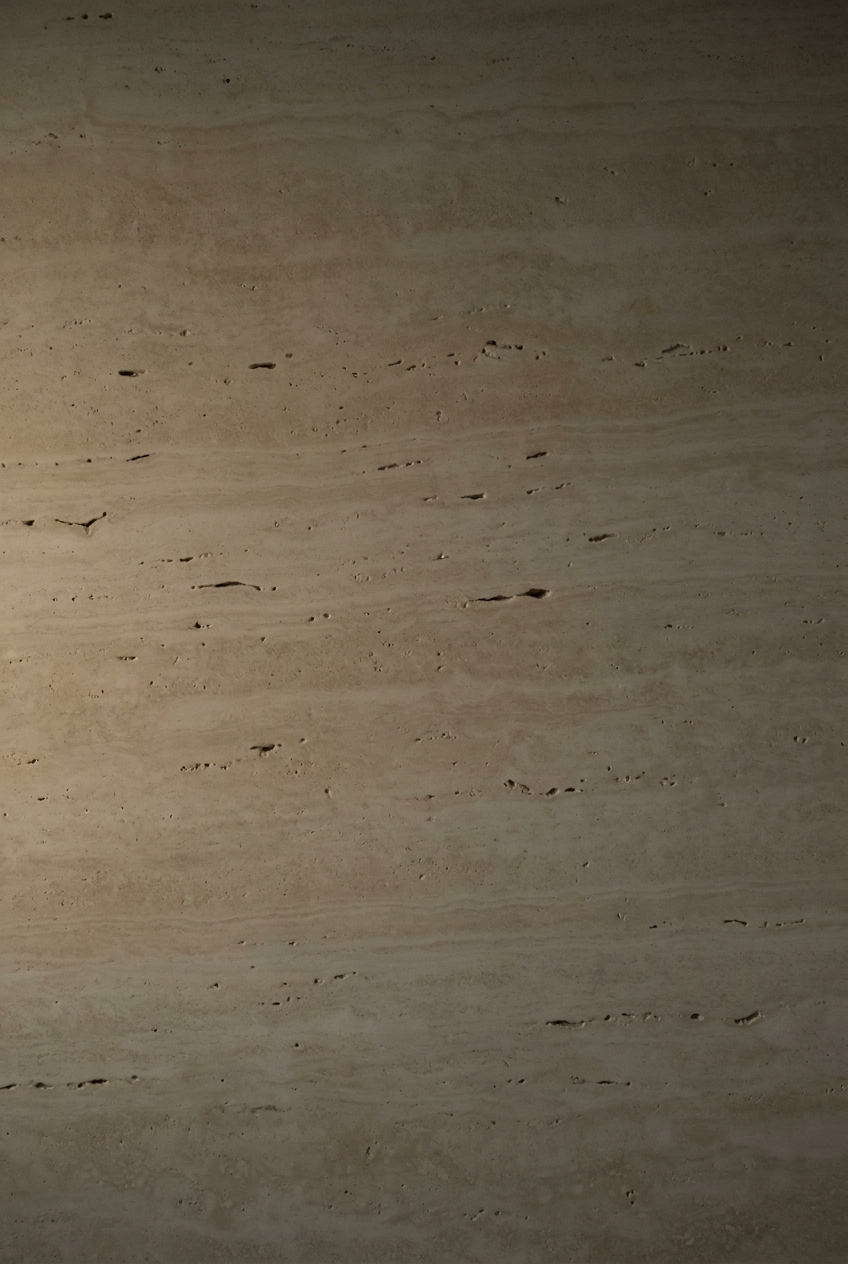
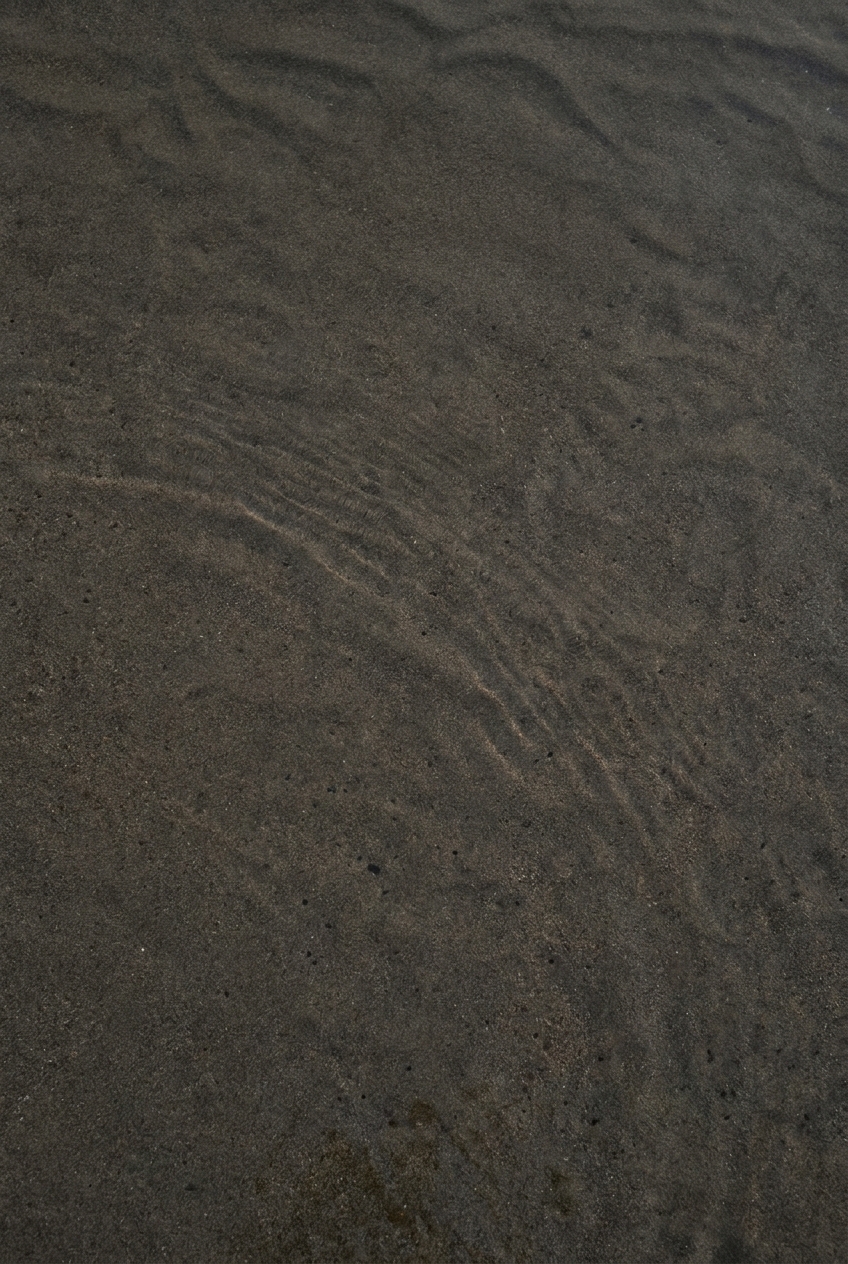
The hand.
One line, measured off a sheet from the archive. Every drawing in this identity is drawn by it, and nothing is drawn any other way.
Where it comes from
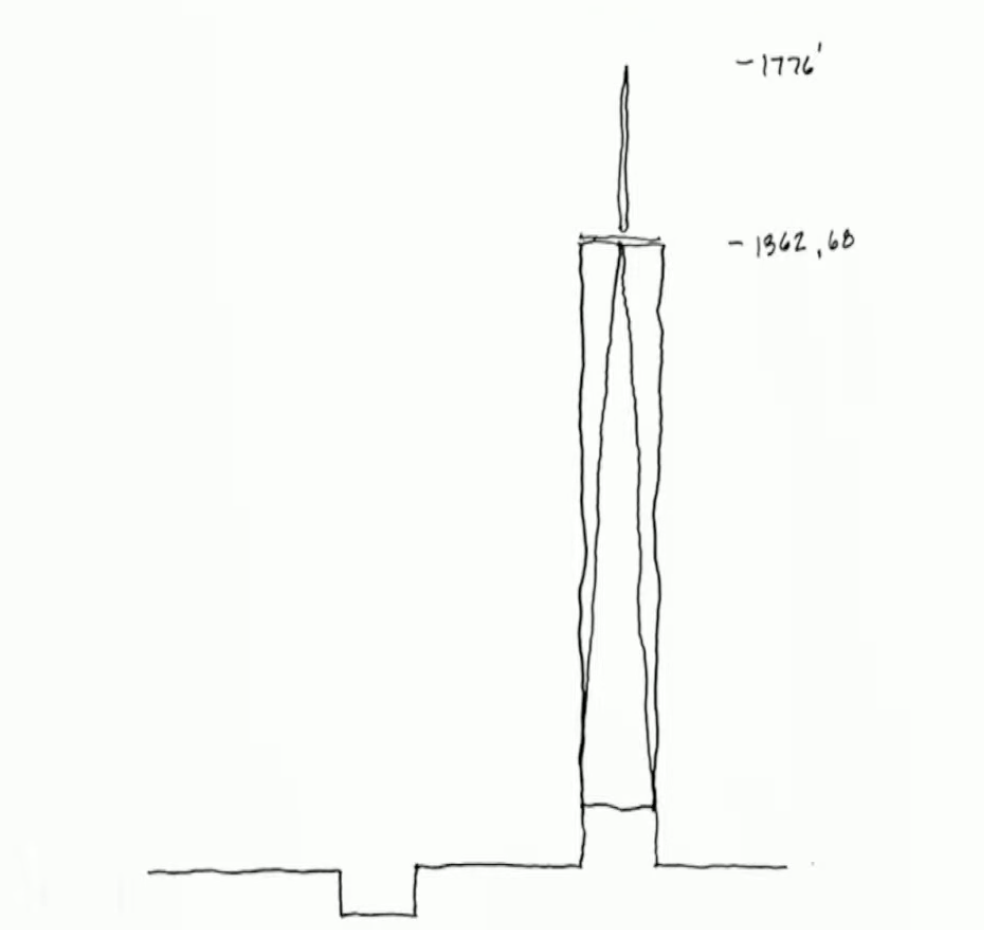
The tower's left edge on that sheet, traced and magnified fourteen times. The dashed line is where a ruler would have put it.
That is the whole finding. The hand is slow, not fine. A line that shakes at the width of itself reads as paper; a line that leaves true by six units over five hundred and comes back reads as an arm. The pen is fitted to both numbers at once and, read the same way, a 537 line in it covers 6.6 and turns back every 77 — the archive's hand exactly.
And what the sheet does not do is as much of the hand as what it does. It never doubles an edge — four strokes across the shaft, no pair. It never lifts on a long line — no gap in 537 units. It does not taper: at the plaza line's free end the pen is already at full width. Each of those was once in the pen, and each was wrong.
Measured at the stroke's centre, to a fraction of a pixel. Read to the nearest whole pixel instead, the same edge appears to turn every 63 — quantisation inventing direction changes that are not in the drawing. It is the kind of number that would pull the line tight and nervous if it were believed.
The three numbers
They live at the top of design/pen.py. They are the line — move one and every drawing in the identity moves with it. The specimen is the same plain figure each time.
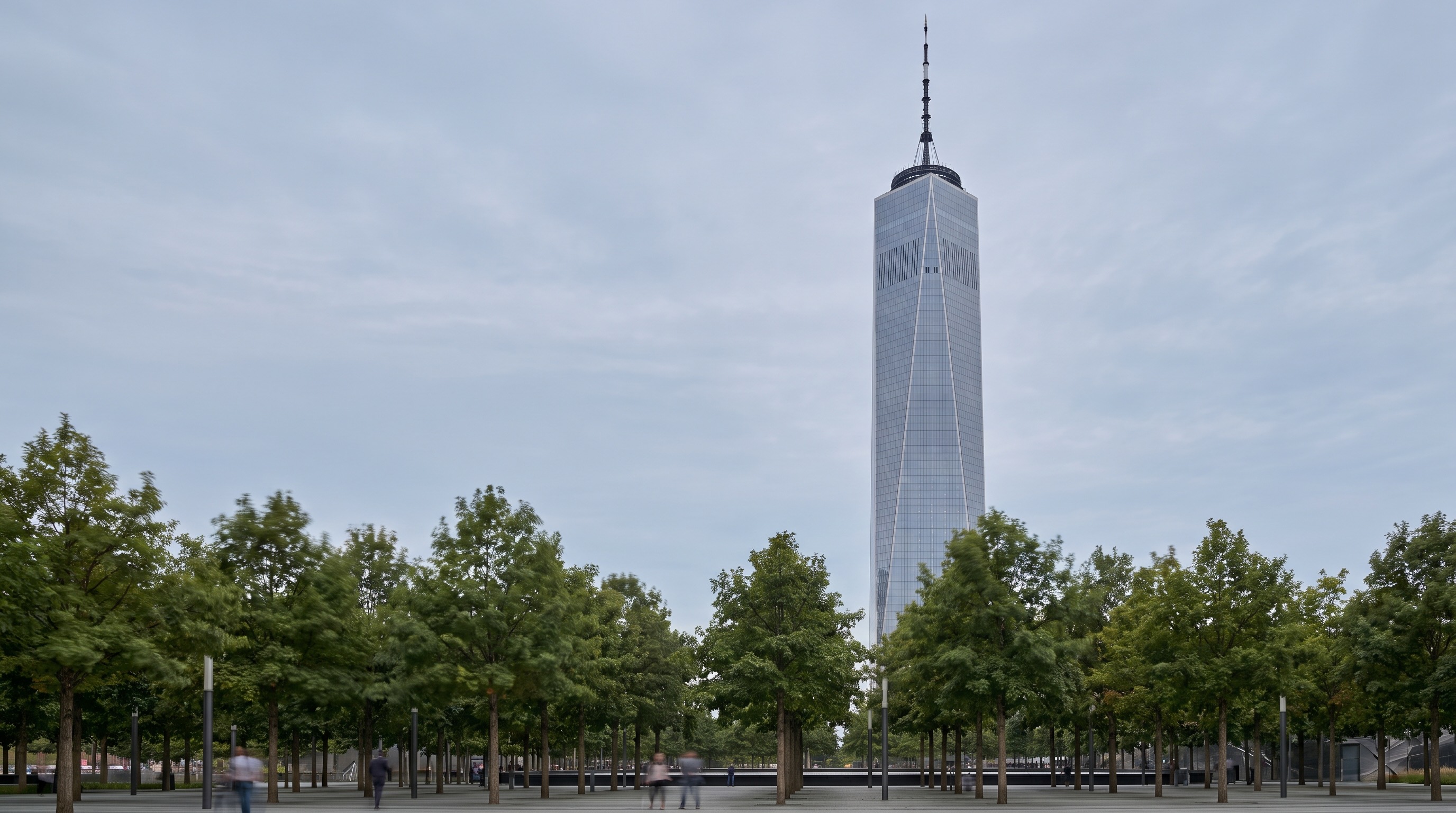
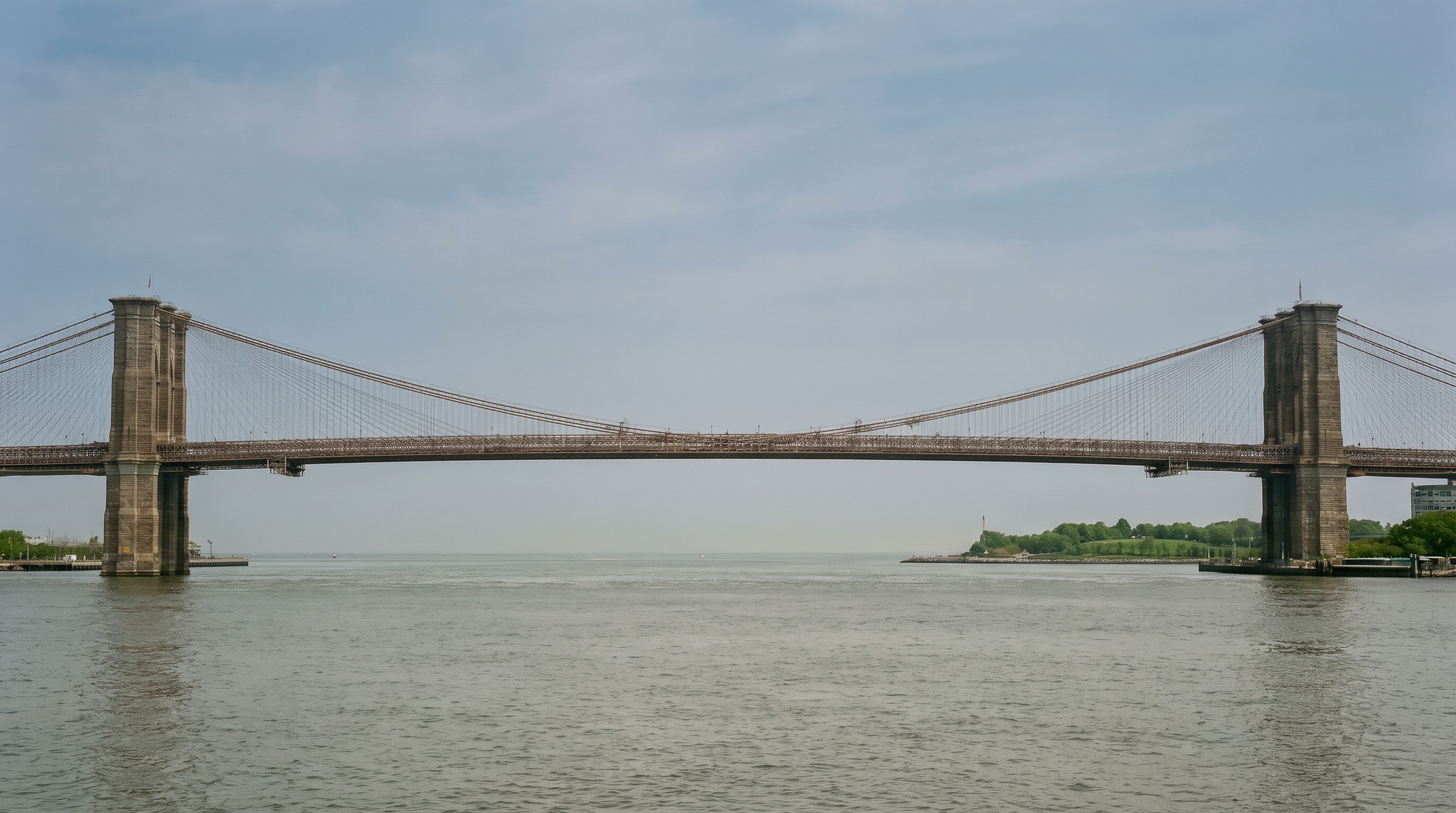
They are in page units: what the drawing measures at the size it is placed. A sheet says what it is drawn in with viewBox and how big it is placed with width, and the hand converts once through the two. So the tower, drawn in a thousand units and placed at 640, and the bridge, drawn in sixteen hundred and placed at 1240, come out at the same weight — 1.94 and 2.01 on the page. Before the pen worked this way they were 1.62 and 2.02, and the bridge carried a hand-set fudge to hide it.
And what each one does
The same figure with one number moved. None of these is the brand; they are here so the setting can be recognised when it drifts.
Drawing something new
A drawing is a file, not code. Write the lines plainly, in any units, and the hand redraws them. One line in the file is one line on the paper. Nothing in pen.py changes, ever — that is what keeps every drawing the same hand.
<!-- chrysler.src.svg -->
<svg viewBox="0 0 1000 1000" xmlns="http://www.w3.org/2000/svg">
  <path d="M420,900 L420,300 L500,120 L580,300 L580,900"/>
  <path d="M300,900 L700,900"/>
  <text x="620" y="140">— 1046′</text>
</svg>

$ python3 design/pen.py chrysler.src.svg   →  chrysler.svg
Everything else in the source is ignored, so guides, fills and colour can stay in the file and the hand will pass them by. python3 design/pen.py with no arguments redraws every source in the identity. The same source gives the same drawing on every machine, so a rebuild never churns.
Every drawing in the hand
Fourteen, and one pen: one drawing of each thing, placed at the size it was drawn. draw.py in each folder writes the source; pen.py draws it. On a photograph the same line is laid in the sheet's white.
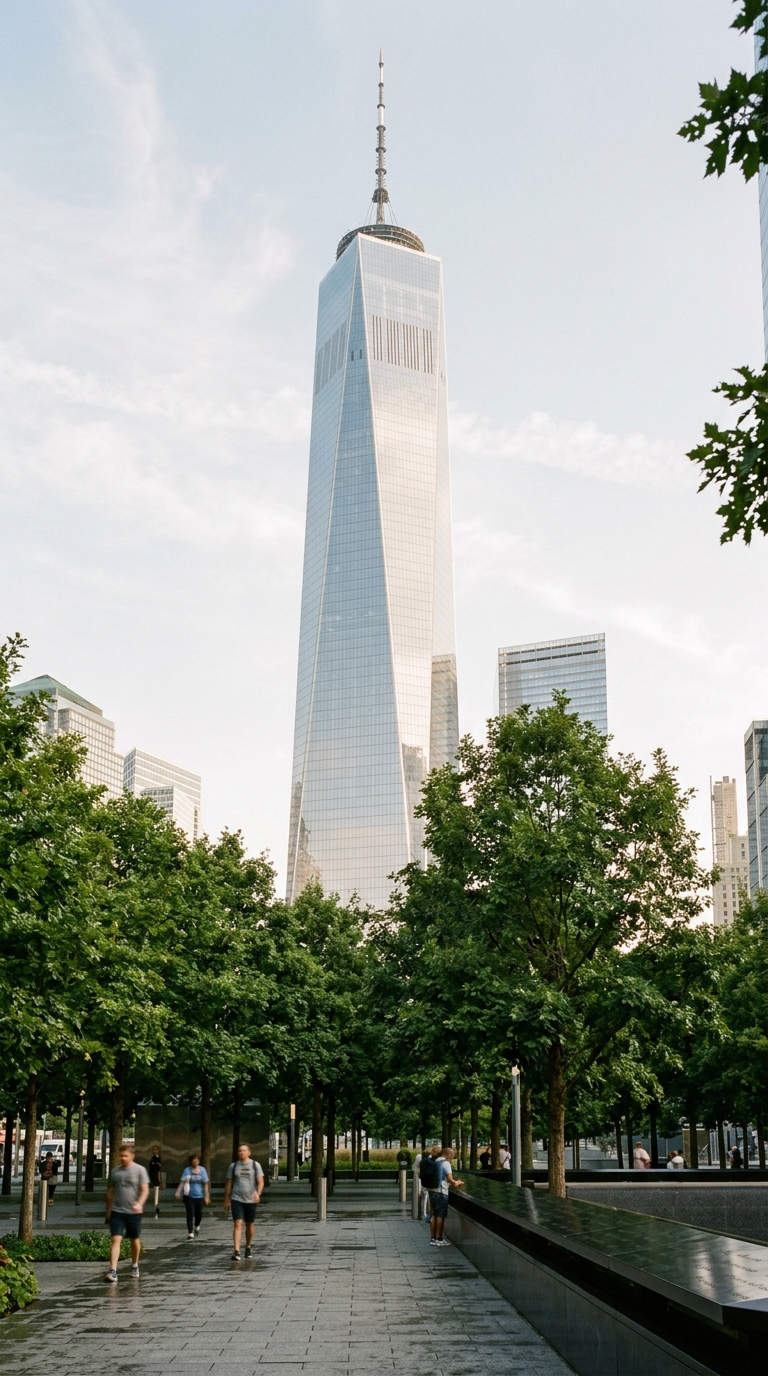
And on the posters
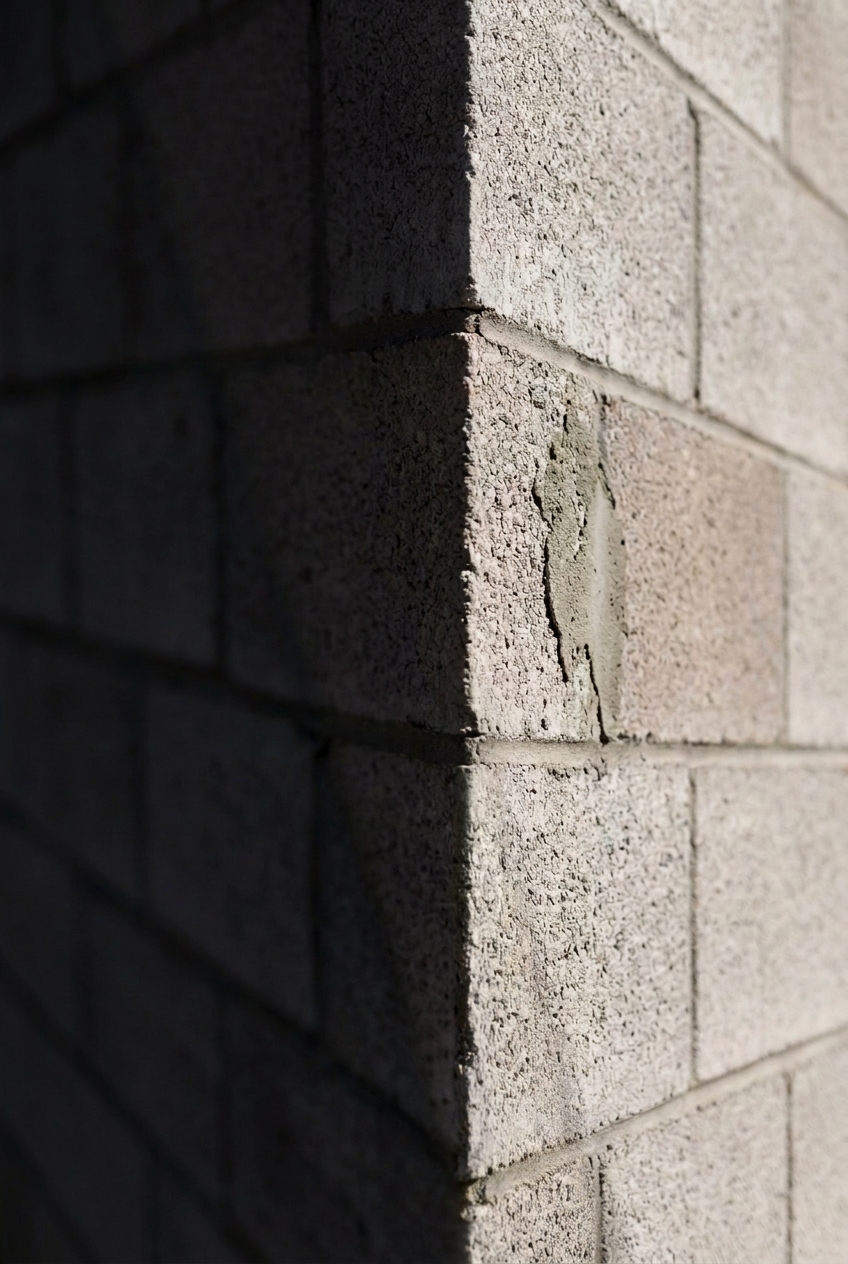
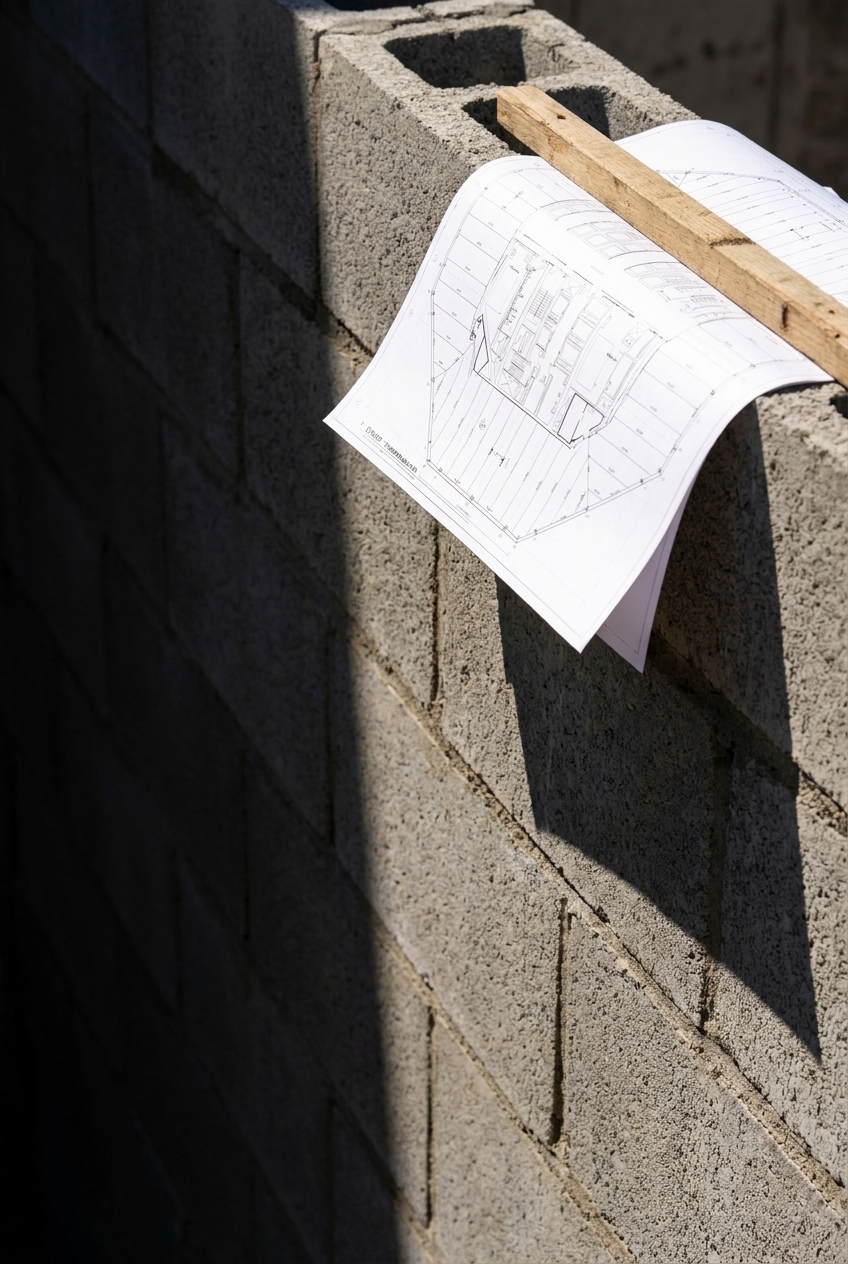
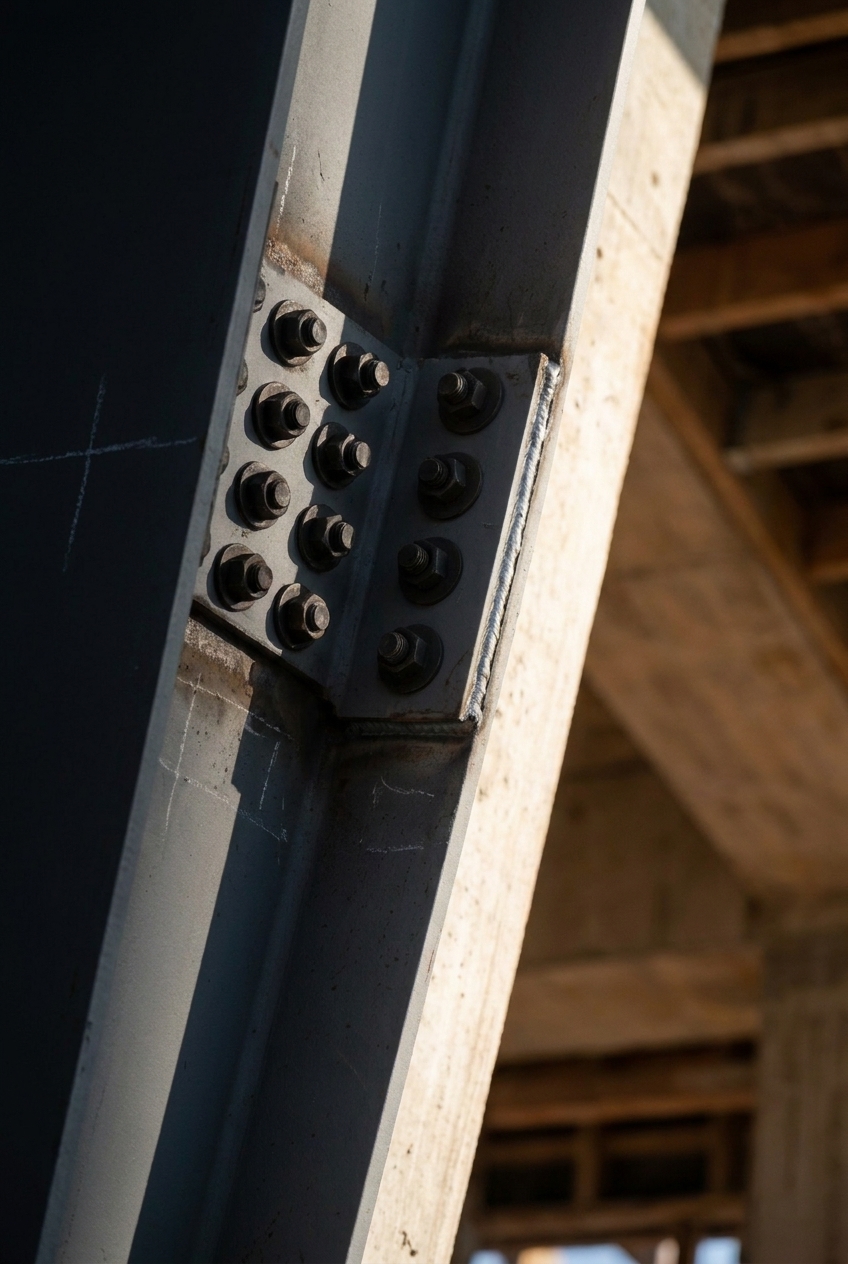
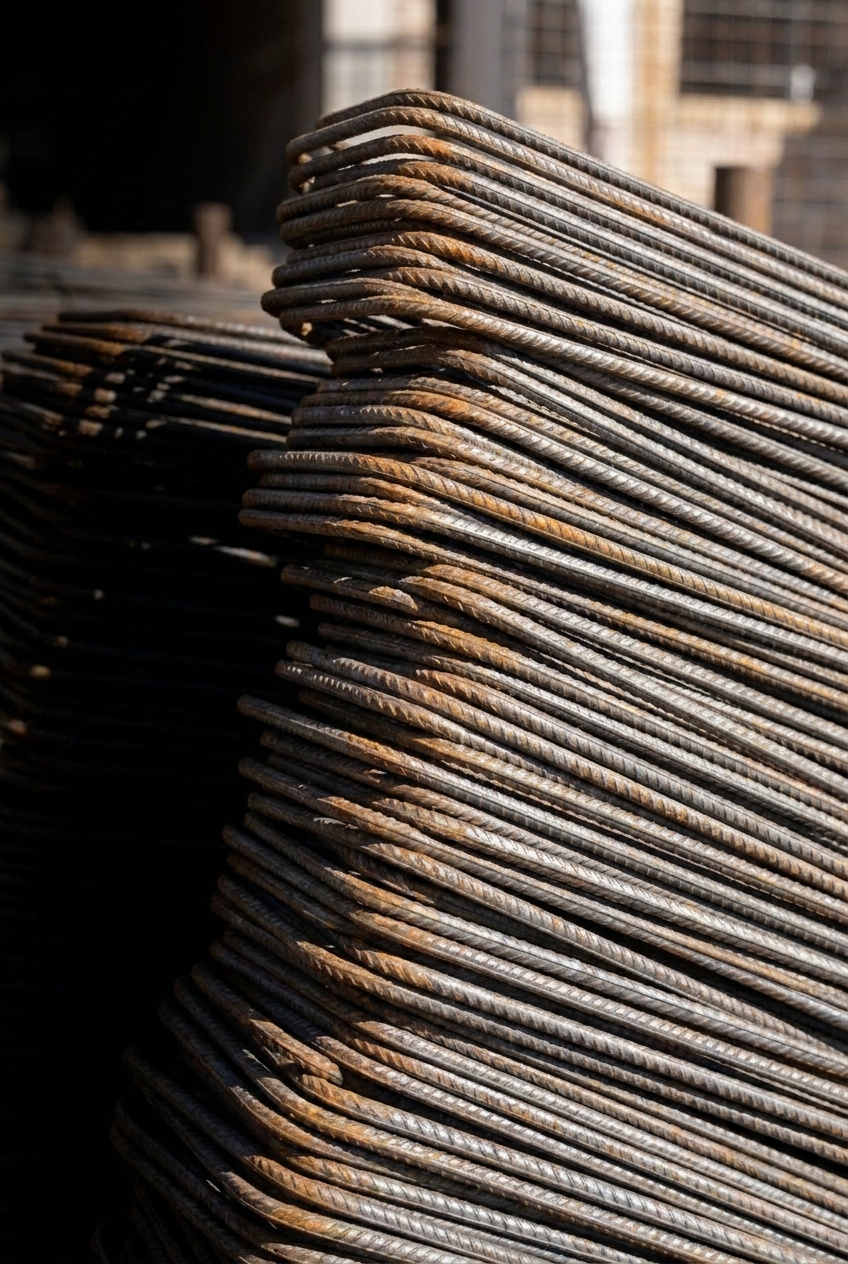
The same pen writes on the photographs: the checker's red on the joint and on the five material plates, the engineer's number on the nineteen material samples. posters/marks.py and posters/notes.py write them through redpen.py, which is pen.py in red or in white and nothing else.